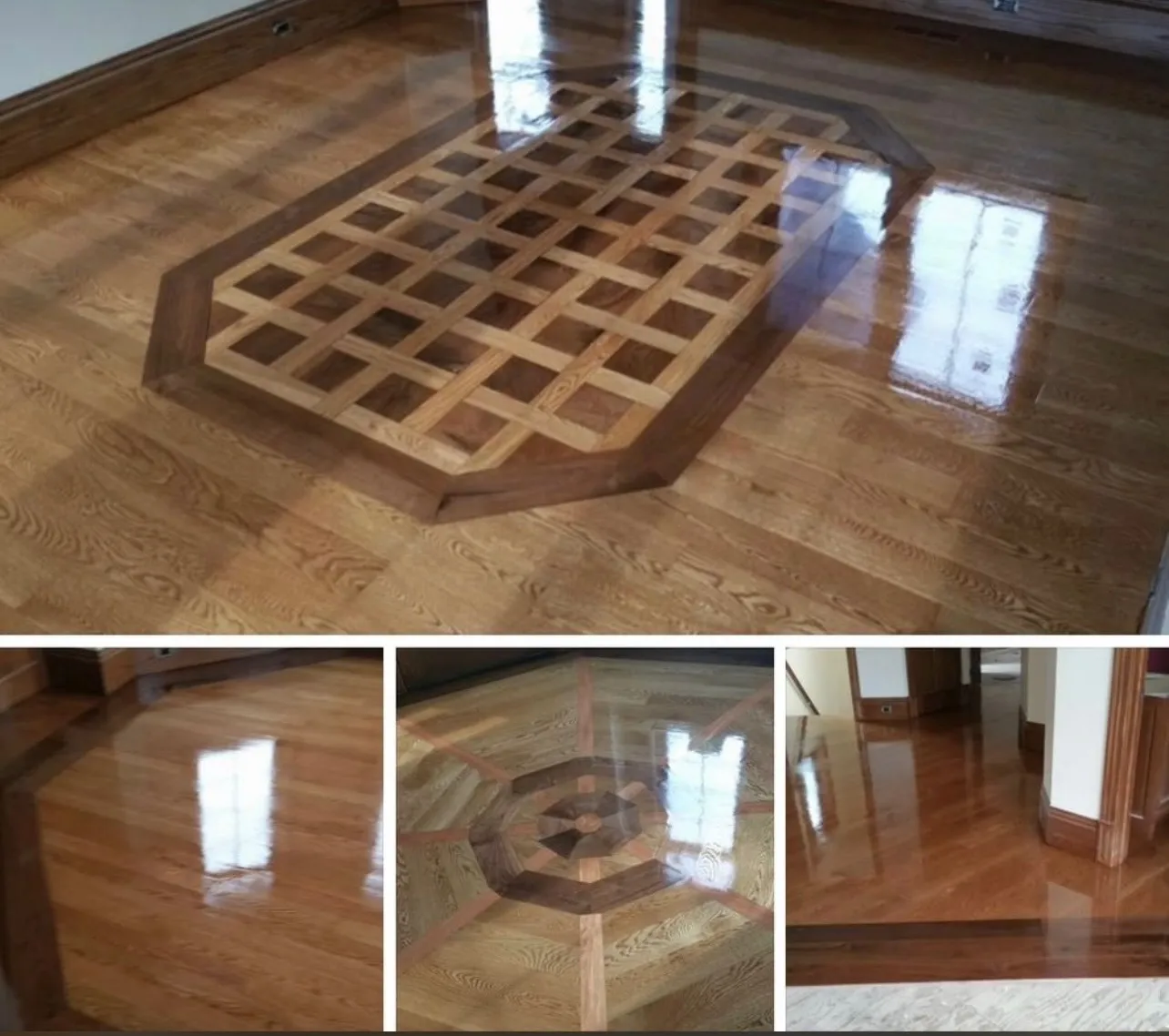
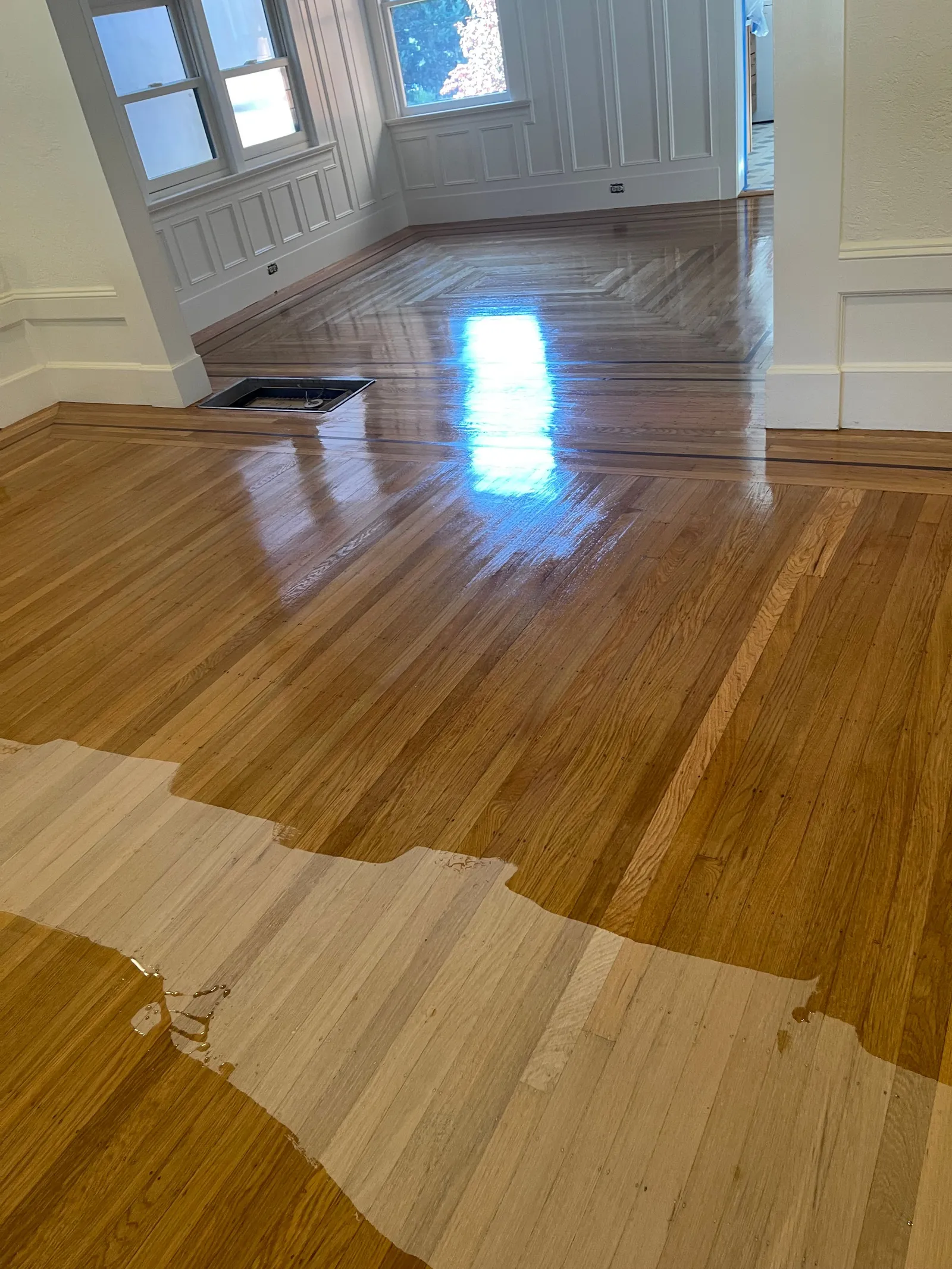
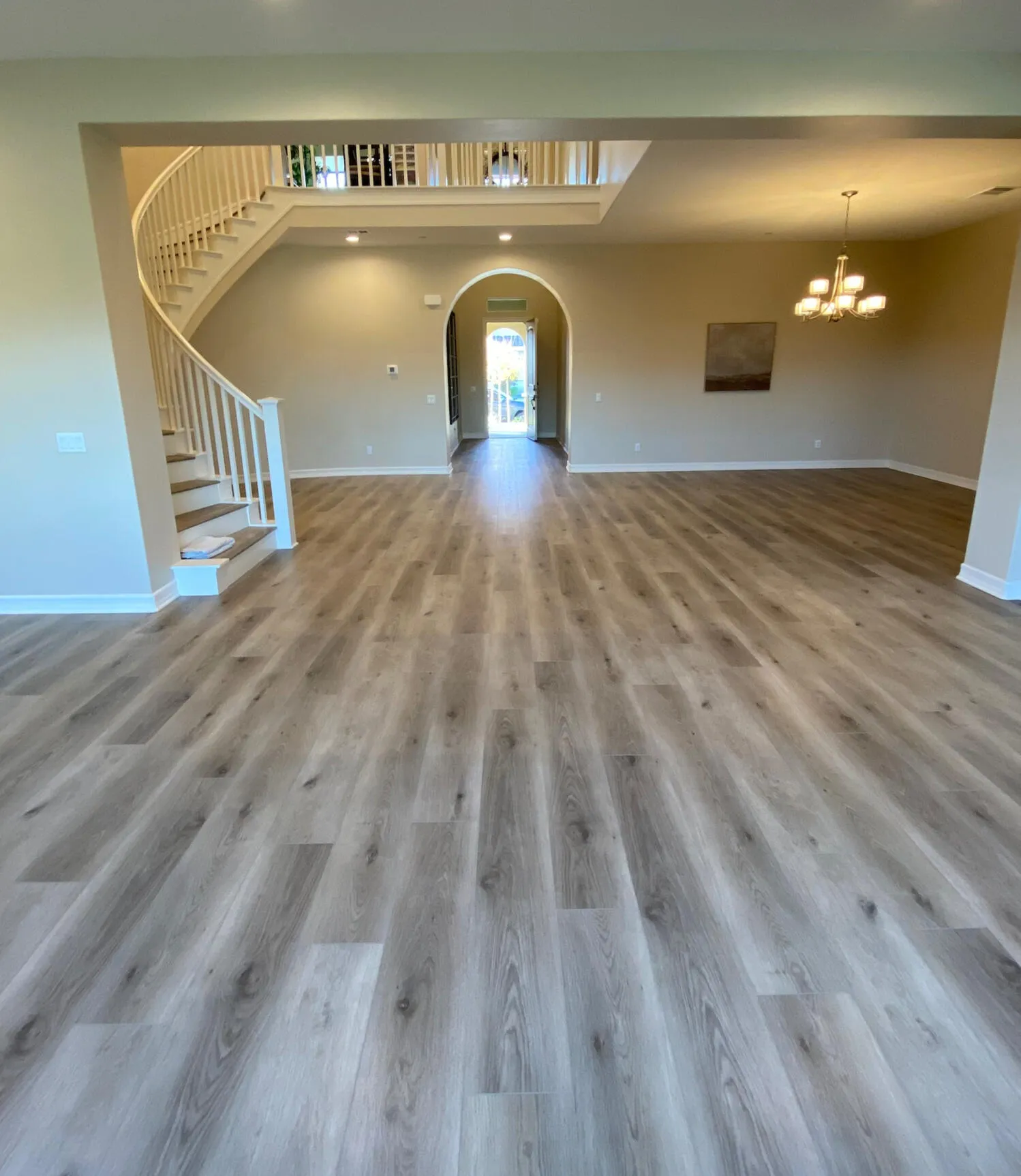
"How much is this going to cost?" It's the first thing homeowners ask — and the hardest to answer without seeing the space. Flooring costs vary by material, subfloor condition, room layout, and which Oakland neighborhood you're in. This post has the real numbers — installed prices, not material-only bait — for the East Bay market as of 2026.
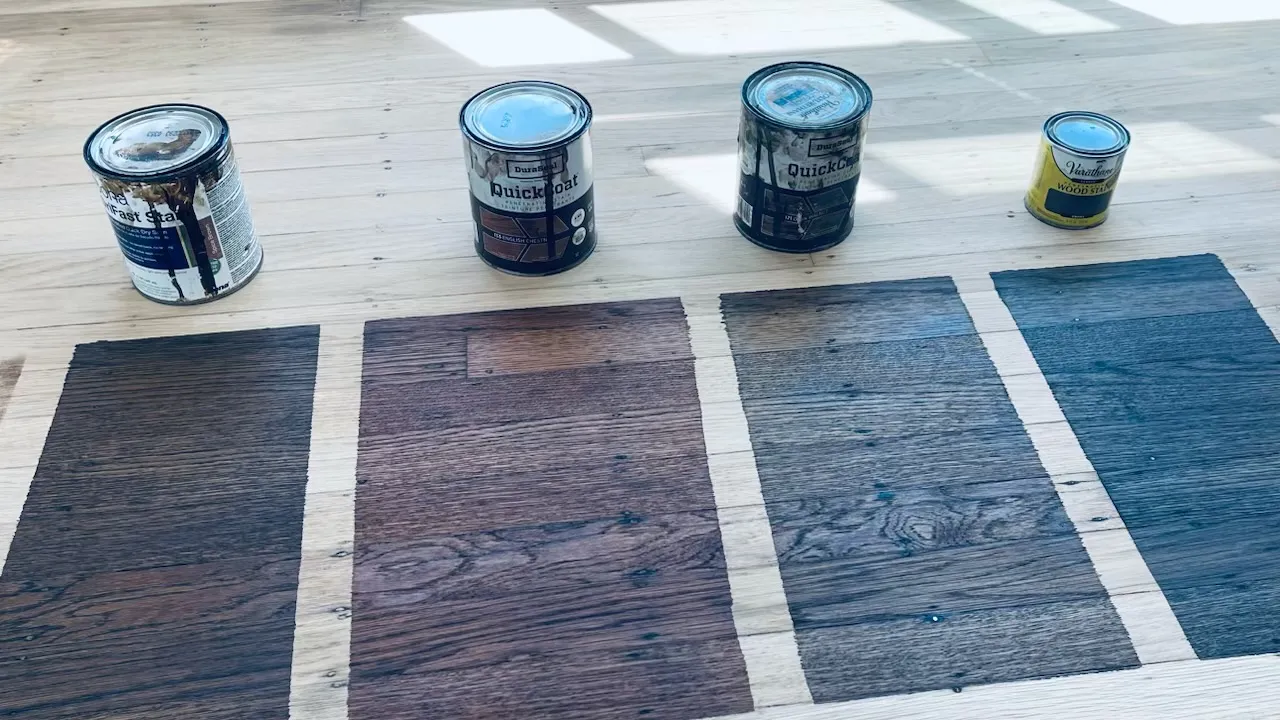
The question everyone asks first
Flooring quotes are all over the place because the variables are all over the place. Different installers bundle different things: some quote materials only, some add labor, some hide subfloor prep until the crew shows up. We quote everything installed — materials plus labor plus the usual trim — with a clear line item when something extra is needed. What you see in this post is what we actually charge.
Cost by flooring type
Four services cover everything we do: solid hardwood install, engineered hardwood install, LVP / SPC install, and refinishing existing hardwood. Prices below are installed per square foot — the final number, with the footnotes that matter.
The premium option
- Oak (red or white)
- $12–$15/sq ft
- Maple / Hickory
- $13–$16/sq ft
- Walnut / Exotic
- $15–$18/sq ft
The spread depends on wood species, plank width, grade (clear vs character), and whether it's site-finished or prefinished. Site-finished floors cost more but give you a seamless, custom result — the finish fills every gap and edge.
Looks identical, handles moisture better
- Standard (3-ply)
- $7–$10/sq ft
- Premium (5-7 ply, European oak)
- $10–$13/sq ft
Engineered hardwood reads exactly like solid but handles temperature and humidity swings without cupping or gapping. It's the smart pick for Oakland homes with radiant heat, slab foundations, or any room where moisture is in play.
Waterproof, scratch-resistant, fast-growing category
- Premium LVP or SPC (20mil+ wear layer)
- $8–$11/sq ft
LVP is the fastest-growing category in residential flooring for a reason: it's 100% waterproof, convincingly wood-looking, and costs less than real hardwood. We install premium tier only — the builder-grade stuff at big-box stores peels and fades in three to five years. For the full deep-dive on our most-installed product, see our GAIA Impala write-up.
Bring existing floors back to life
- Sand, stain, and seal existing hardwood
- $3–$5/sq ft
- Stair refinishing (per step)
- $25–$45/step
If your hardwood is intact under carpet or worn on the surface, refinishing costs roughly 70% less than new hardwood and keeps the character of the original wood. For the decision framework, see our refinish vs replace guide.
What actually pushes the price up
The per-square-foot ranges above are the sticker price. Five factors stretch the final number — some more than others. We walk through each of these at walkthrough before quoting, so there are no end-of-job surprises.
- 1
Subfloor condition
+$1–$3/sq ftIf your subfloor is uneven, damaged, or made of old particleboard, it needs repair or leveling before new flooring goes down. This is the single most common "hidden" cost — and the one we surface at walkthrough before you get a number.
- 2
Demolition and haul-away
+$1–$2/sq ftRemoving existing flooring costs more when it's bonded down. Staples and tack strips pull fast; glued-down laminate or stuck-down vinyl sheet is the most labor-intensive. The more adhesive the prior install used, the more demo time we need.
- 3
Room layout complexity
+$50–$120/stepWide-open rectangles are cheapest to install. Rooms with closets, nooks, bay windows, angled walls, or multiple doorways take more cutting, fitting, and transition work. Stairs are priced per step depending on material and detail.
- 4
Material grade
Within each rangeWithin every category there is a wide spread. Select-grade oak versus character-grade. Premium SPC like GAIA Impala versus commodity LVP that fades and peels in three years. Higher grades mean tighter grain, fewer knots, and thicker wear layers.
- 5
Transitions and trim
+$200–$800Where flooring meets other materials you need transition strips. Where it meets walls, baseboards. Most projects add a few hundred to just under a thousand dollars here, depending on transition count and baseboard style.
We don't quote high and surprise low. We measure, check the subfloor, and quote once.
East Bay market context
Flooring installation in the East Bay runs 10–20% higher than the national average. Part of it is labor — Bay Area rates across the board. Part of it is material transport costs from West Coast distribution. But you also get better-trained crews: Oakland installers routinely work with older homes that have non-standard subfloors, out-of-square rooms, and historic trim details that stop a less-experienced crew cold.
Permit costs are minimal for flooring — most residential flooring doesn't require a permit unless there's structural subfloor work. If your project is part of a larger remodel, it usually gets bundled into the overall permit scope.
Three real project scenarios
To make the numbers concrete, here's what three common Oakland project sizes actually cost — everything in, all-in ranges:
Typical Oakland projects, installed
- 800 sq ft condo — LVP throughout $8,000–$12,000Includes demo of old laminate, subfloor leveling, LVP materials + labor, new baseboards
- 1,400 sq ft house — hardwood + LVP $18,000–$26,000Hardwood in living areas + LVP in kitchen/bath. Subfloor prep, transitions, trim included
- 2,000 sq ft whole-house — engineered $18,000–$30,000European oak, site-finished, old flooring removal, full trim package
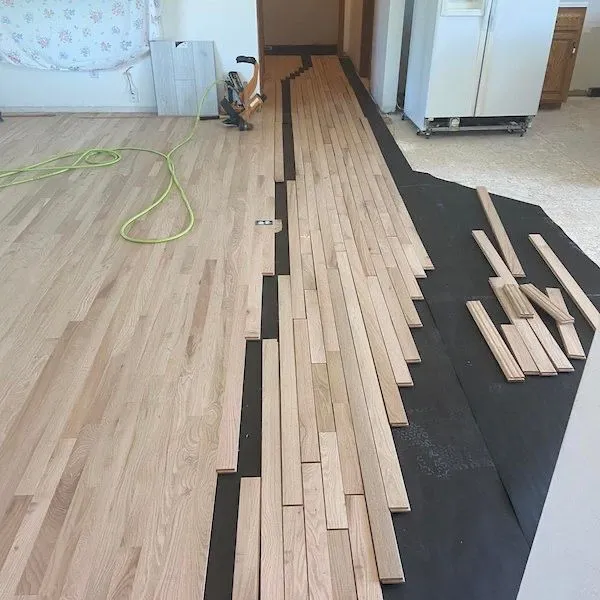
How to keep costs reasonable
A few practical moves, from years of East Bay flooring work, that save real money without cutting corners:
- Do the whole floor at once. Mobilization costs are the same whether we're doing one room or five. Batching rooms saves money per square foot.
- Match material to room. LVP earns its keep in kitchens, bathrooms, and basements where moisture is in play. Hardwood shines in living areas, dining rooms, and bedrooms. A smart mix saves thousands without sacrificing the rooms that matter most.
- Get the subfloor right. Skipping subfloor prep to save money leads to squeaking, popping, and premature wear. It costs more to redo it later.
- Compare quotes apples-to-apples. Make sure every quote includes demo, subfloor prep, transitions, and trim — otherwise you're comparing different scopes.