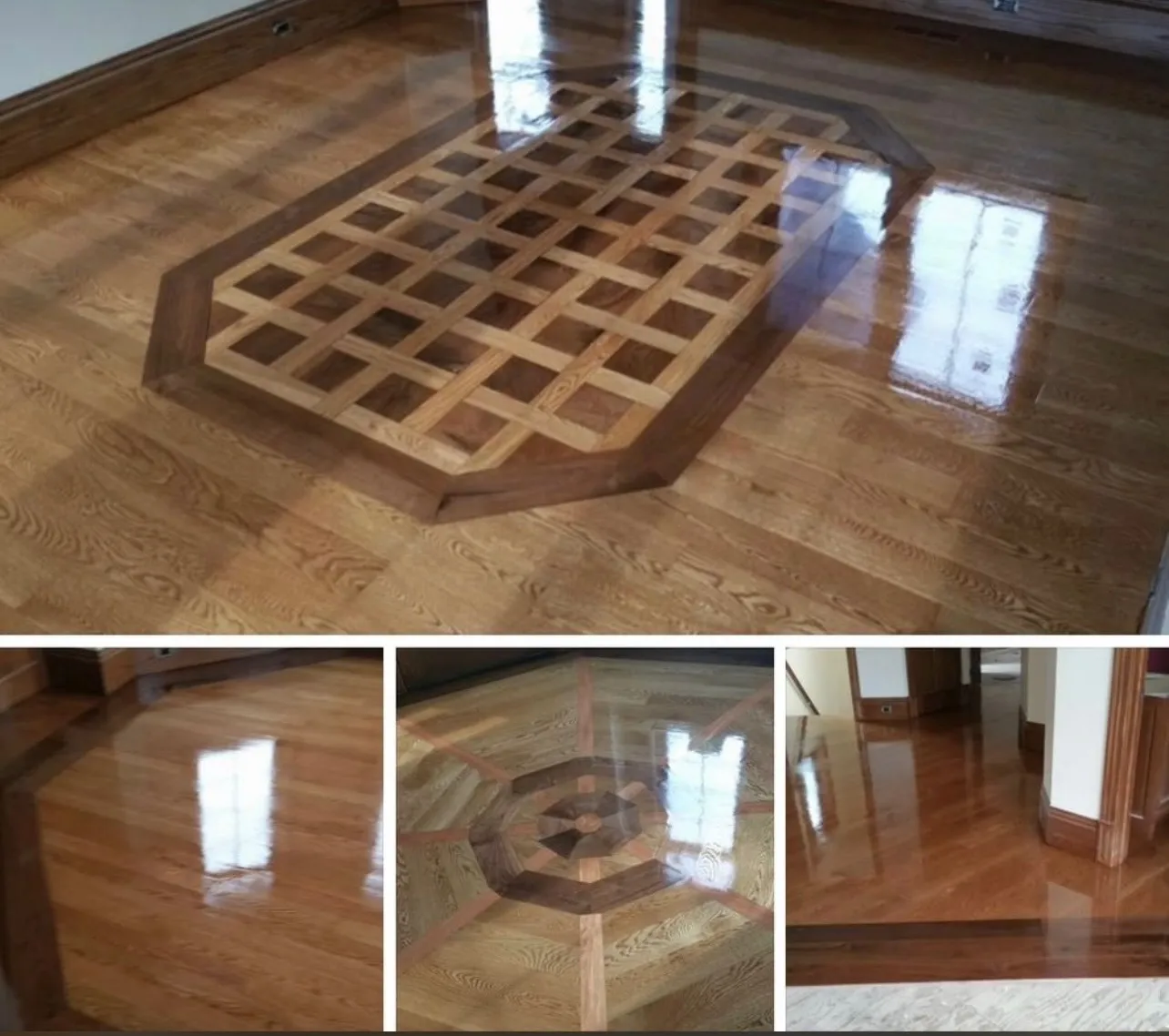
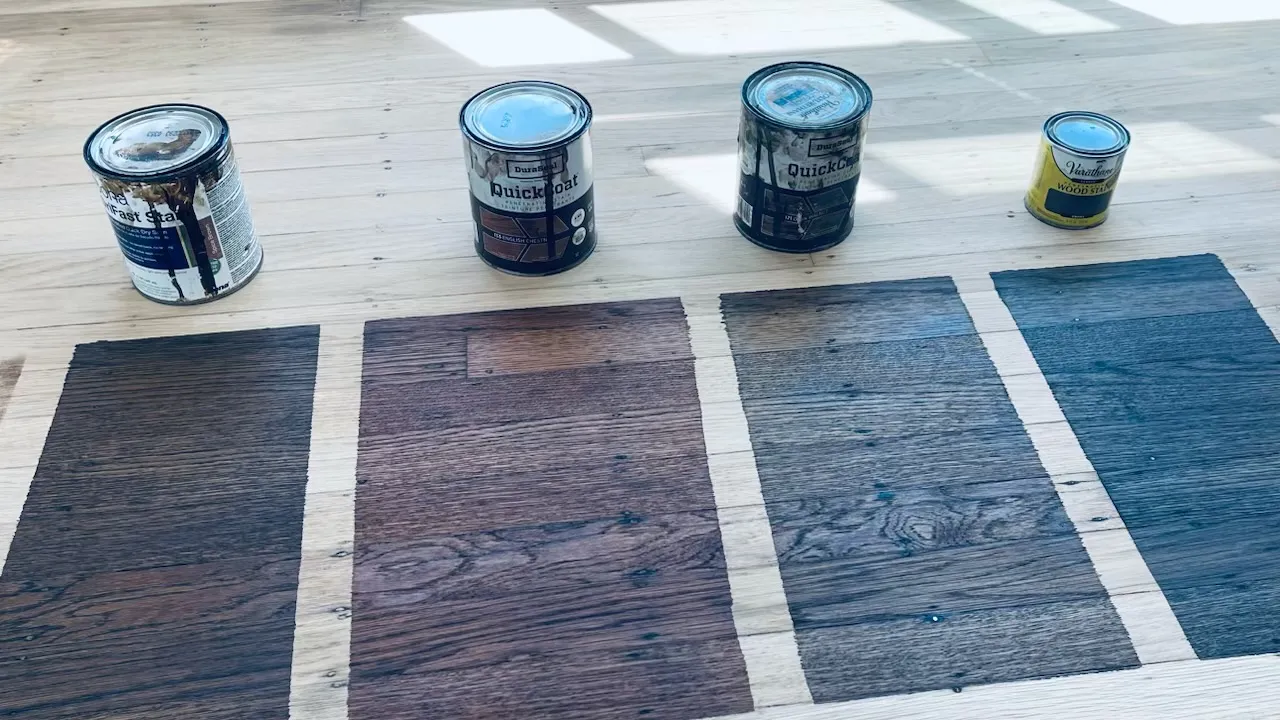
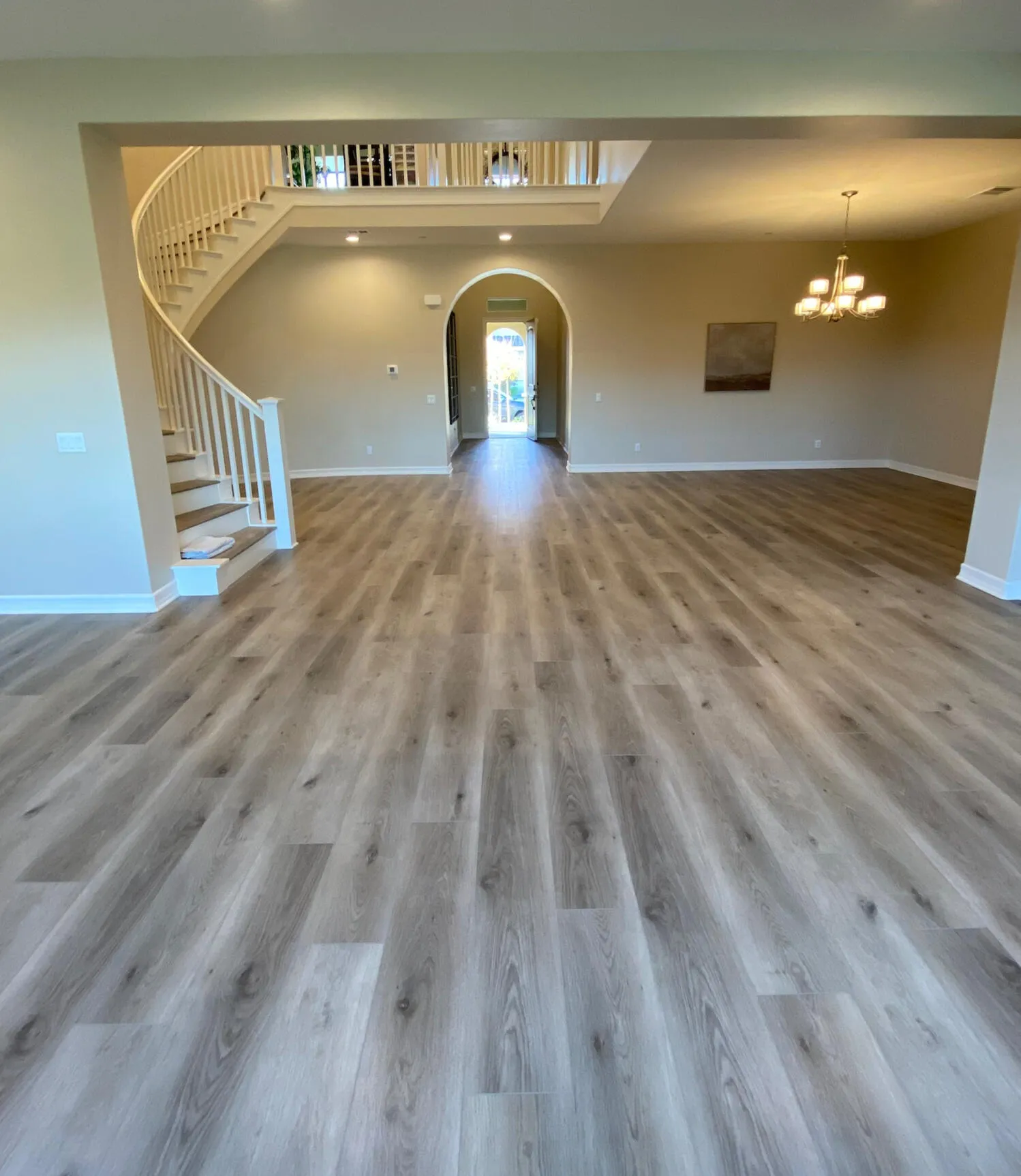
Oakland is full of beautiful older homes — Craftsmans, bungalows, mid-century ranches — and many of them are sitting on original hardwood floors that have seen better days. Scratched, dull, maybe hidden under carpet for decades. The instinct is to rip it all out and start fresh. In most cases, that's the wrong move. Refinishing is cheaper, faster, and keeps the character that makes the house worth more.
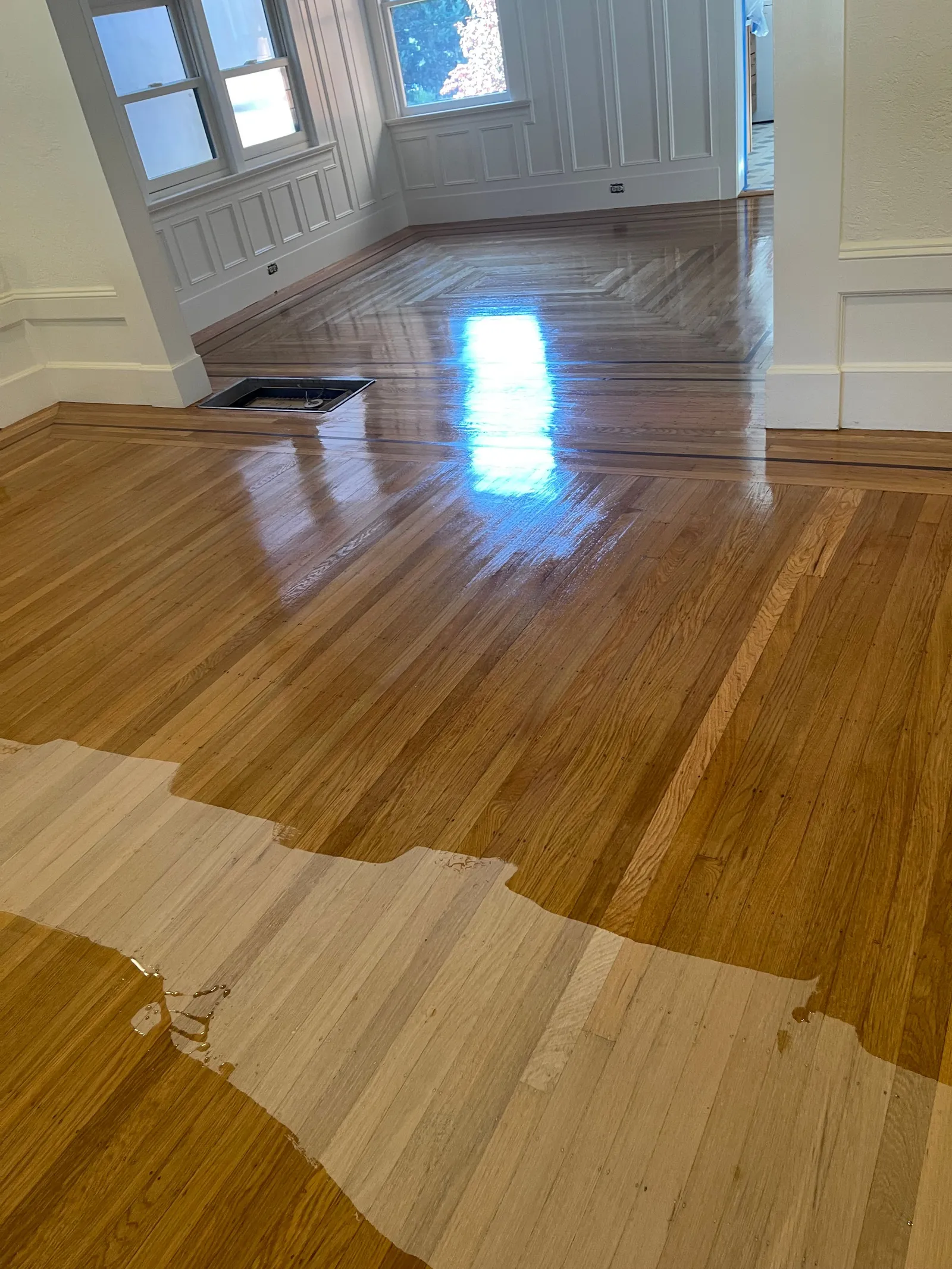
Your hardwood might be worth saving
The question isn't "should I refinish or replace." The question is: what condition is the wood actually in? If the damage is cosmetic — surface-level — refinishing is almost always the answer. If the damage is structural (rot, cupping, subfloor failure), replacement is the honest call. This post walks through how to tell which one you're looking at.
Refinish vs replace — the honest signs
Five signs each way. If most of what you see falls in the left column, you're probably looking at a refinish. If most falls on the right, the floor has moved past the point where sanding can save it.
Signs it's cosmetic only
- Surface scratches and scuffs — light or deep, but not through the wood
- Dull, worn finish in high-traffic areas (hallways, kitchen paths)
- Minor discoloration — sun fading, shallow pet stains, old wax buildup
- Small seasonal gaps between boards (up to 1/16 inch) — cosmetic only
- Boards feel solid and flat underfoot — no bounce, no give
Signs it's structural
- Cupping or warping — moisture has penetrated from below
- Soft or spongy spots — the wood is rotting, press in with a finger
- Extensive dark/black staining — deep water penetration through the board
- Buckling, popping nails, or 1/4"+ gaps — subfloor has moved
- Termite tunnels, hollow-sounding boards, or wood powder — pest damage
Most floors in pre-1970 Oakland homes fall in the left column. The right column is the exception, usually tied to a specific moisture event or pest problem.
Most solid hardwood can be sanded and refinished 3 to 5 times over its lifetime, depending on board thickness. Standard 3/4-inch solid hardwood has plenty of material to work with. If the floor has only been refinished once or twice in its history, there's almost certainly enough wood left for another pass.
The cost split
Here's what the two options actually run on a typical 1,000 sq ft Oakland project — honest numbers, not best-case hand-waves:
1,000 sq ft — refinish vs replace
- Refinishing — 1,000 sq ft $3,000 – $5,000Sand, custom stain, 2-3 coats of commercial-grade polyurethane
- Replacing with new hardwood — 1,000 sq ft $12,000 – $18,000Includes demo + haul-away of the old floor, plus new install
- Subfloor repair add-on (if needed) +$1,000 – $3,000Only applies when subfloor damage is present — we confirm at walkthrough
If you're sitting on original oak or fir floors under carpet, refinishing them is one of the best-value moves you can make in an older Oakland home.
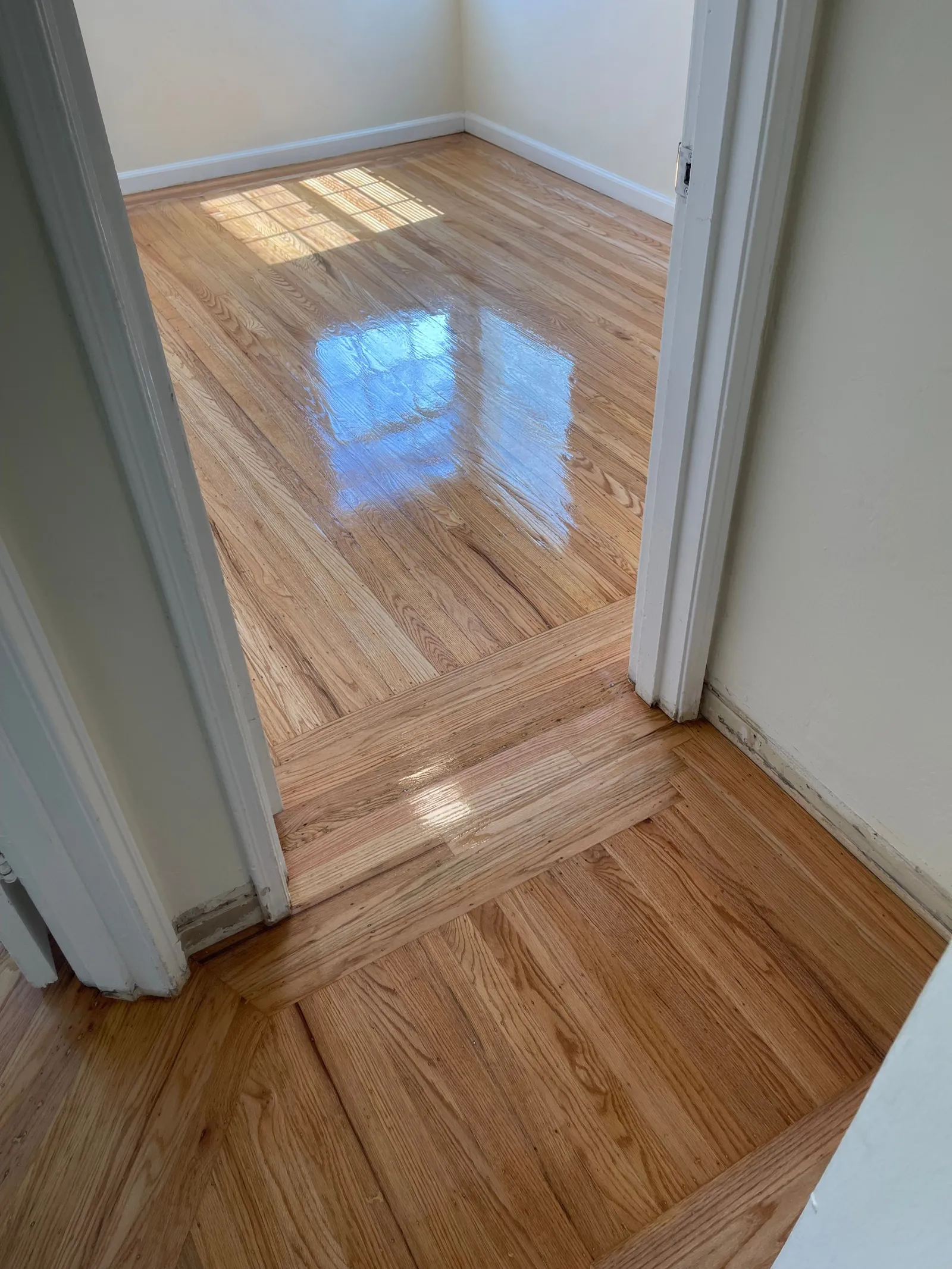
The hidden treasure — hardwood under carpet
Here's a scenario we see constantly in Oakland: a homeowner pulls up old carpet and finds original hardwood underneath. In many 1920s–1960s homes, carpet was installed directly over hardwood floors by previous owners — the hardwood was the builder's floor, and the carpet got laid on top somewhere along the way. The hardwood underneath may have nail holes, adhesive residue, or some surface damage from the carpet install, but the wood itself is usually solid old-growth oak or fir.
If that's what you find, refinishing it is almost always the right move. You're uncovering a floor that's already paid for — all you need is a sand and a finish. The board widths and wood grade you get in a 1930s Craftsman simply aren't available in new hardwood at any price.
What to do next
If you're not sure whether your hardwood can be saved, the cheapest move is a free walkthrough. We'll check wood thickness, look for moisture and subfloor issues, and give an honest recommendation — refinish or replace, one-room or whole-house, with or without a hybrid patch. No obligation, no hard sell.
Our free floor assessment tool gives a preliminary read online. For a precise call, a walkthrough beats any online tool — floors show their truth up close.